ແມງຈີ້ນາຍ
Crickets
Tarbinskiellus portentosus (Lichtenstein, 1796)
ສັດ
ສັດທີ່ມີຂໍ້ຕໍ່
ແມງໄມ້
×
![Full Size Image]()
ການຕັ້ງຊື່, ອະນຸກົມວິຖານ ແລະ ການບັນຍາຍລັກສະນະ
ຊື່ທ້ອງຖີ່ນ
ແມງຈີ້ນາຍ, ແມງຈັກກຸງ ແລະ ຈີ່ຫຼໍ່ (Short Tailed crickets)
ອະນຸກົມວິຖານ
- ອານາຈັກ
- Animalia
- ເຫຼົາ
- Arthropoda
- ຊັ້ນ
- Insecta
- ອັນດັບ
- Orthoptera
- ຊື່ສະກຸນ
- Gryllidae
- ສະກຸນ
- Tarbinskiellus
- ຊະນິດ
- Tarbinskiellus portentosus
ຊື່ພ້ອງ
Acheta portentosa Lichtenstein, 1796
Brachytrupes portenosus
Brachytrupes portentosa (Lichtenstein, 1796)
Brachytrupes ustulatus Serville, 1838
Brachytrypes portentosa (Lichtenstein, 1796)
Brachytrypus achatinus
Gryllus achatina Stoll, 1813
Gryllus (Acheta) fuliginosa Stoll, 1813
Liogryllus formosanus Matsumura, 1910
Brachytrupes portenosus
Brachytrupes portentosa (Lichtenstein, 1796)
Brachytrupes ustulatus Serville, 1838
Brachytrypes portentosa (Lichtenstein, 1796)
Brachytrypus achatinus
Gryllus achatina Stoll, 1813
Gryllus (Acheta) fuliginosa Stoll, 1813
Liogryllus formosanus Matsumura, 1910
ບັນຍາຍລັກສະນະທາງພືດສາດ
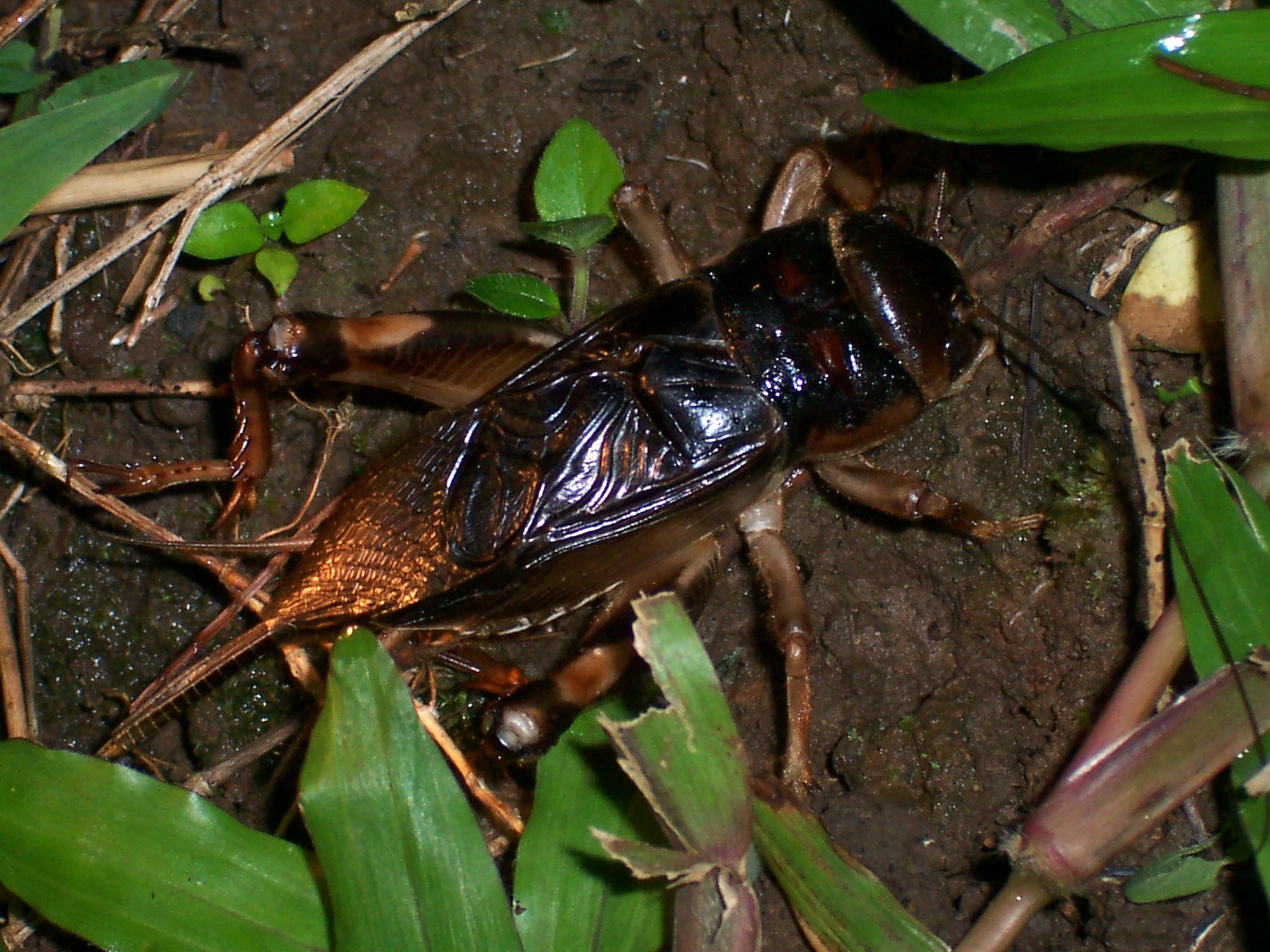
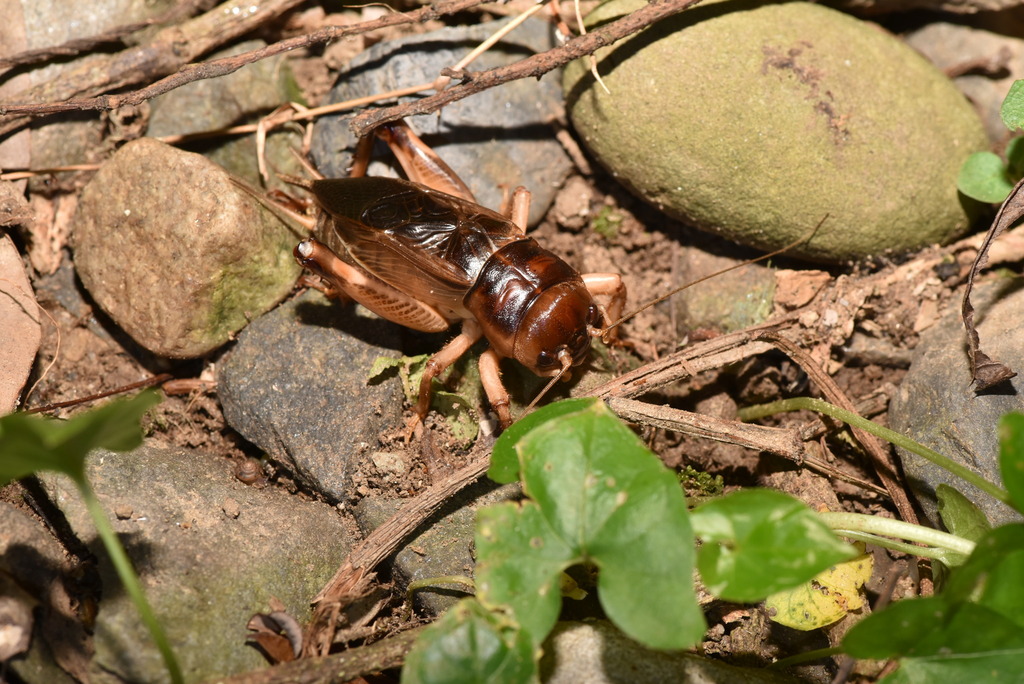
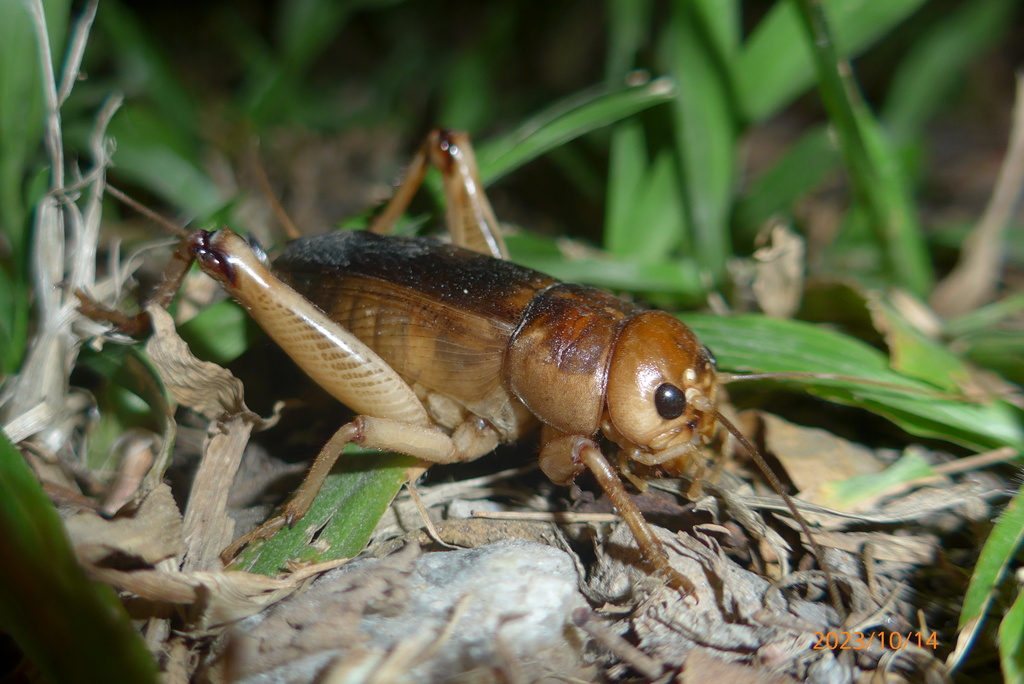
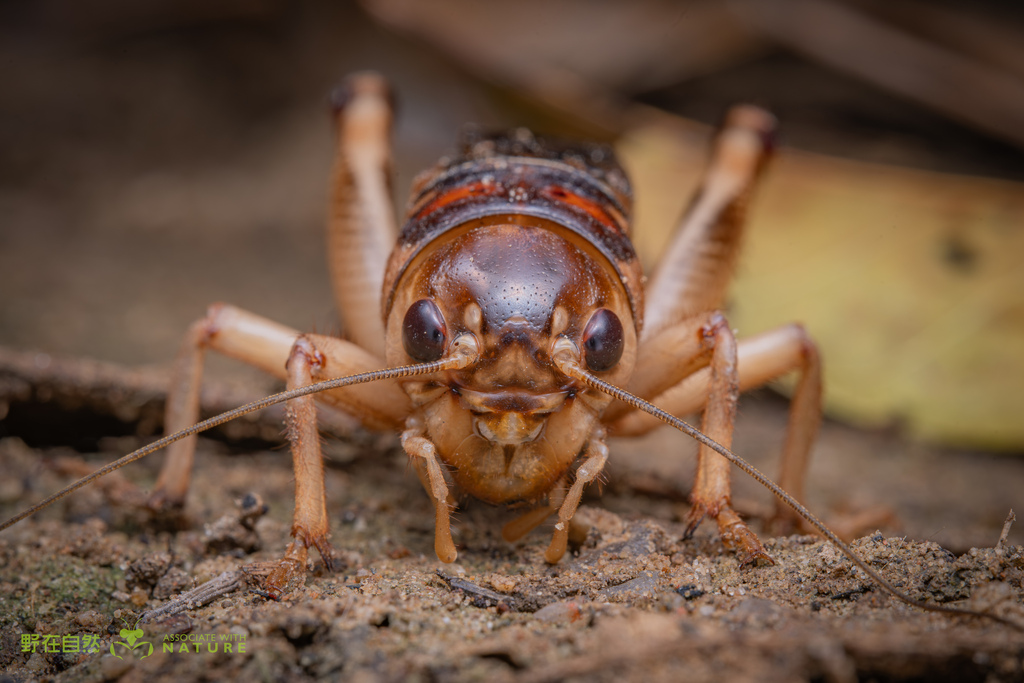
ຈີ່ນ່າຍຊະນິດນີ້ ມີຄວາມຍາວ 37 ຫາ 44 ມມ, ມີສີນ້ຳຕານປົນສີເຫຼືອງ, ມີໜວດທີ່ຍາວ, ມີຫົວຂະໜາດໃຫຍ່ຮູບສີຫຼ່ຽມ ແລະ ລຳຕົວຕຸ້ຍ, ຈີ່ນ່າຍຈະຂຸດຮູເປັນໂພງເລິກປະມານ 30 ຫາ 60 ຊມ ແລະ ມັກຈະອອກສະເພາະກາງຄືນເທົ່ານັ້ນ ໂດຍຈີ່ນ່າຍຕົວຜູ້ຈະສົ່ງສຽງ (ຈິ໊ບໆ) ມັກພົບໄດ້ຕາມຂອບທົ່ງຫຍ້າ.
ແຫຼ່ງທີ່ມາ: [1]
ແຫຼ່ງທີ່ມາ: [1]
ນິເວດວິທະຍາ ແລະ ເຂດກະຈາຍພັນ
ເຂດກະຈາຍພັນທົ່ວໂລກ
Native to China, India, Malaya, Myanmar, Nepal, Pakistan, and Vietnam. [2]
Global distribution of Tarbinskiellus portentosus between 1929 to 2026. Source: [3]
Global distribution of Tarbinskiellus portentosus between 1929 to 2026. Source: [3]
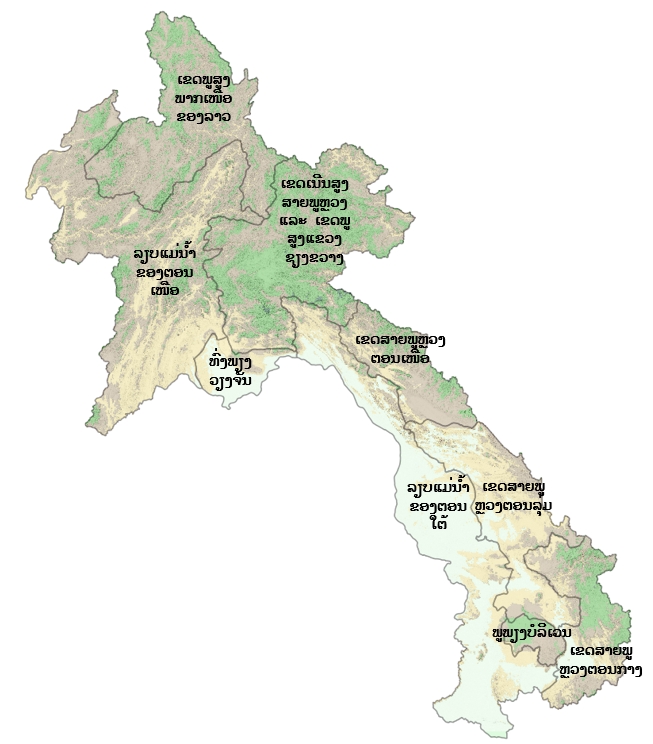
ເຂດກະຈາຍພັນໃນລາວ
ເຂດລຽບແມ່ນ້ຳຂອງພາກໃຕ້
ການບັນທຶກຈາກ GBIF ແມງໄມ້ຊະນິດນີ້ມີການບັນທຶກວ່າພົບໃນແຂວງສາລະວັນ. [3]
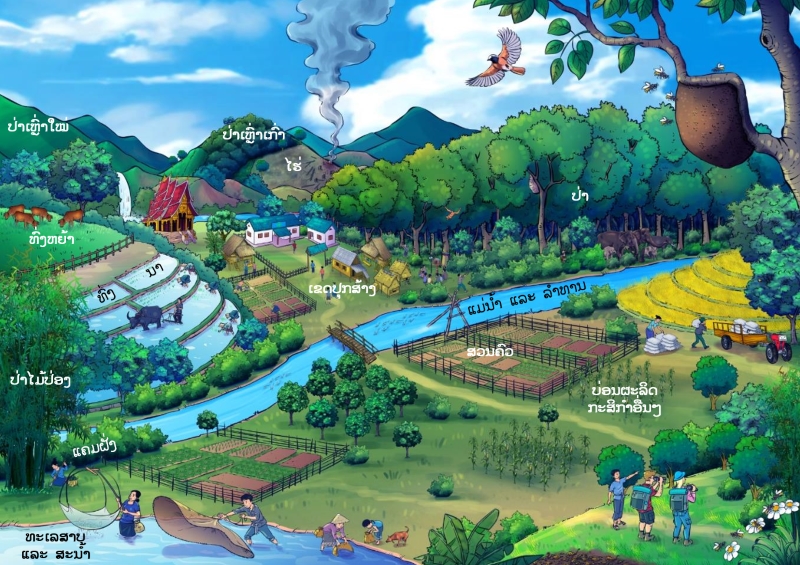
ເຂດກະຈາຍພັນຕາມພູມສັນຖານ
ເຂດຜະລິດພືດຜົນເນີນສູງ, ປ່າເຫຼົ່າອ່ອນ, ທົ່ງຫຍ້າ, ອື່ນໆ, ສວນຄົວ
ຈີນ່າຍມັກພບຕາມທົ່ງຫຍ້າ ໂດຍອາໃສຢູ່ໃນຮູທີ່ມີຄວາມເລິກປະມານ 800 ມມ, ຖືວ່າເປັນຊະນິດພັນທີ່ມີຜົນກະທົບຕໍ່ການເພາະປູກທາງການກະເສດ ເນື່ອງຈາກມັນມັກຂຸດຮູຕາມທົ່ງນາ ແລະ ອາໄສຢູ່ຕາມຜິວດິນ. [4]
ສະເພາະຖິ່ນໃນລາວ
ພື້ນເມືອງ
ເປັນແມງໄມ້ທີ່ໃຫຍ່ທີ່ສຸດໃນອາຊີຕາເວັນອອກສ່ຽງໃຕ້, ການກະຈາຍພັນຕາມທຳມະຊາດທີ່ມີການລາຍບົນທຶກໃນຈີນ, ອິນເດຍ, ມາເລເຊຍ, ເນປານ, ປາກີສະຖານ ແລະ ຫວຽດນາມ, ນອກຈາກນີ້ຍັງມີການບັນທຶກວ່າພົບໃນອິນໂດຈີນ ແລະ ມາເລເຊຍ. [2]
ຮຸກຮານ
ບໍ່ຮຸກຮານ
ການອະນຸຮັກ
ສະຖານະພາບການອະນູຮັກ IUCN
ບໍ່ມີຄວາມສ່ຽງ
ຊະນິດພັນ CITES
N/A
ບັນຊີສັດປ່າຂອງລາວ
ບໍ່ຖືກລະບຸໃນບັນຊີປະເພດໃດ
ບັນຊີ NTFP
N/A
ບັນຊີໄມ້
N/A
ການນຳໃຊ້ຂອງມະນຸດ
ປະເພດການນຳໃຊ້
ອາຫານ
ອາຫານ: ໃນບາງພູມມິພາກ ຊຸ່ມຊົນເຂດທ້ອງຖິ່ນມີີການບໍລິໂພກແມງໄມ້ຊະນິດນີ້ເປັນອາຫານເລີດລົດ ເຊິ່ງສະແດງໃຫ້ເຫັນສັກກະຍະພາບໃນການເປັນແມງໄມ້ທີ່ກິນໄດ້. [5]
ການປູກ ການລ້ຽງ
ຊະນິດທຳມະຊາດ
ລະດູການເກັບກູ້
N/A
ການຕະຫຼາດ ແລະ ຕ່ອງໂສ້ມູນຄ່າ
N/A
ການຄຸ້ມຄອງຈັດການ
N/A
ໂພຊະນາການ
ຄຸນຄ່າທາງໂພຊະນາການ
ແຫຼ່ງໂປຣຕີນທີ່ສຳຄັນ
| ສານອາຫານ | /100g | ໝາຍເຫດ |
|---|---|---|
| ໂປຣຕີນ | 21.6 | N/A |
| ຄາໂບໄຮເດຣດ | N/A | N/A |
| ໄຂມັນ | N/A | N/A |
| ວິຕາມິນ | N/A | Vitamin B1 (thiamine) 0.4 mg and Vitamin B2 (riboflavin) 3.41 mg |
| ແຮ່ທາດ | N/A | Iron 122.5 mg |
| ເສັ້ນໄຍ | N/A | N/A |
ອ້າງອິງ
ເຄດິດຮູບພາບ
[1] iNaturalist [Online]. Uploaded on 15 August 2023 by Yung-Lun Lin. Available: https://www.inaturalist.org/observations/178463779. [Accessed 30 April 2026].
[2] iNaturalist [Online]. Uploaded on 23 October 2023 by Miles. Available: https://www.inaturalist.org/observations/188608790. [Accessed 30 April 2026].
[3] iNaturalist [Online]. Uploaded on 22 October 2025 by liuzhaoyu. Available: https://www.inaturalist.org/observations/322014003. [Accessed 30 April 2026].
[2] iNaturalist [Online]. Uploaded on 23 October 2023 by Miles. Available: https://www.inaturalist.org/observations/188608790. [Accessed 30 April 2026].
[3] iNaturalist [Online]. Uploaded on 22 October 2025 by liuzhaoyu. Available: https://www.inaturalist.org/observations/322014003. [Accessed 30 April 2026].
ອ້າງອິງ
[1] Macau Biodiversity Database, “Brachytrupes portentosus,” Macao Biodiversity. [Online]. Available: https://www.macaubiodiversity.org/brachytrupes-portentosus/. [Accessed: May 4, 2026].
[2] “Genetic diversity and phylogenetic analysis of Brachytrupes portentosus,” Mitochondrial DNA Part B, vol. 7, no. 2, 2022. [Online]. Available: https://www.tandfonline.com/doi/full/10.1080/23802359.2022.2030819. [Accessed: May 4, 2026].
[3] Global Biodiversity Information Facility (GBIF), “Tarbinskiellus portentosus (GBIF species ID: 1722991),” GBIF Backbone Taxonomy. [Online]. Available: https://www.gbif.org/species/1722991. [Accessed: May 4, 2026].
[4] A. M. Nameer, P. S. Easa, and K. K. Suresh, “Diversity and distribution of crickets (Orthoptera: Gryllidae) in the Western Ghats, India,” Journal of Threatened Taxa, vol. 14, no. 5, pp. 21000–21010, 2022. [Online]. Available: https://threatenedtaxa.org/index.php/JoTT/article/view/8508/9884. [Accessed: May 4, 2026].
[5] Y. Zhang, H. Liu, X. Chen, et al., “Genetic diversity and phylogenetic analysis of Brachytrupes portentosus based on mitochondrial genome,” Mitochondrial DNA Part B: Resources, vol. 7, no. 2, pp. 353–355, 2022. [Online]. Available: https://pmc.ncbi.nlm.nih.gov/articles/PMC8820803/pdf/TMDN_7_2030819.pdf. [Accessed: May 4, 2026].
[6] Y. Zhang, H. Liu, and X. Chen, “Mitochondrial genome analysis of Brachytrupes portentosus,” Food Materials Research, vol. 2, 2022, Art. no. 0003. [Online]. Available: https://www.maxapress.com/data/article/fmr/preview/pdf/fmr-0026-0003.pdf. [Accessed: May 4, 2026].
[7] “Edible insects as a source of nutrition: A study from Baksa District of Assam, India,” Journal of Emerging Technologies and Innovative Research (JETIR), vol. 5, no. 12, pp. 65–70, Dec. 2018. [Online]. Available: https://www.jetir.org/papers/JETIR1812C07.pdf. [Accessed: May 4, 2026].
[2] “Genetic diversity and phylogenetic analysis of Brachytrupes portentosus,” Mitochondrial DNA Part B, vol. 7, no. 2, 2022. [Online]. Available: https://www.tandfonline.com/doi/full/10.1080/23802359.2022.2030819. [Accessed: May 4, 2026].
[3] Global Biodiversity Information Facility (GBIF), “Tarbinskiellus portentosus (GBIF species ID: 1722991),” GBIF Backbone Taxonomy. [Online]. Available: https://www.gbif.org/species/1722991. [Accessed: May 4, 2026].
[4] A. M. Nameer, P. S. Easa, and K. K. Suresh, “Diversity and distribution of crickets (Orthoptera: Gryllidae) in the Western Ghats, India,” Journal of Threatened Taxa, vol. 14, no. 5, pp. 21000–21010, 2022. [Online]. Available: https://threatenedtaxa.org/index.php/JoTT/article/view/8508/9884. [Accessed: May 4, 2026].
[5] Y. Zhang, H. Liu, X. Chen, et al., “Genetic diversity and phylogenetic analysis of Brachytrupes portentosus based on mitochondrial genome,” Mitochondrial DNA Part B: Resources, vol. 7, no. 2, pp. 353–355, 2022. [Online]. Available: https://pmc.ncbi.nlm.nih.gov/articles/PMC8820803/pdf/TMDN_7_2030819.pdf. [Accessed: May 4, 2026].
[6] Y. Zhang, H. Liu, and X. Chen, “Mitochondrial genome analysis of Brachytrupes portentosus,” Food Materials Research, vol. 2, 2022, Art. no. 0003. [Online]. Available: https://www.maxapress.com/data/article/fmr/preview/pdf/fmr-0026-0003.pdf. [Accessed: May 4, 2026].
[7] “Edible insects as a source of nutrition: A study from Baksa District of Assam, India,” Journal of Emerging Technologies and Innovative Research (JETIR), vol. 5, no. 12, pp. 65–70, Dec. 2018. [Online]. Available: https://www.jetir.org/papers/JETIR1812C07.pdf. [Accessed: May 4, 2026].
ຜູ້ສ້າງ Factsheet
ລີພອນ ໜໍ່ປະເສີດ
ຜູ້ກວດສອບ Factsheet
,